


2026 is considered " Year of regulation " for the global packaging industry. At the same time, major global markets are tightening regulations, all focused on promoting recyclable packaging and establishing extended producer responsibility (EPR) mechanisms. This means that brands must be responsible for the entire life cycle of their packaging.
Frontier of technological innovation: a double revolution in materials and design
Driven by both regulations and market demands, the materials science and design concepts of packaging are undergoing a revolution.
Sustainable Development of Materials
Single material recyclability: development of structures such as " single polyolefin composite films, " ensuring barrier properties while facilitating easy recycling, is one of the most conventional technological approaches today.
Bio-based and Upcycled Materials: More forward-thinking explorations include: using nutshells to create new biodegradable materials (EU SCATAPNUT project), and developing packaging using food by-products such as coffee grounds and cocoa pulp (upcycling).
Packaging function and design improvements
Functional integration: In addition to preservation (oxygen and moisture barrier), consumers have a high demand for convenience, and sealable zipper bags have become standard for nut packaging.
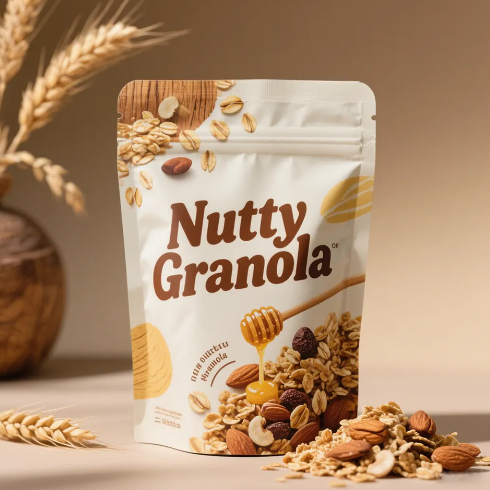
Intelligence and Interaction: Connecting to the digital world through QR codes, providing traceability, nutritional information, interactive games, or recipes to enhance the consumer experience.
Emotional Design: Using nostalgic elements, narrative illustrations, and custom design strategies to attract consumers on store shelves and social media.
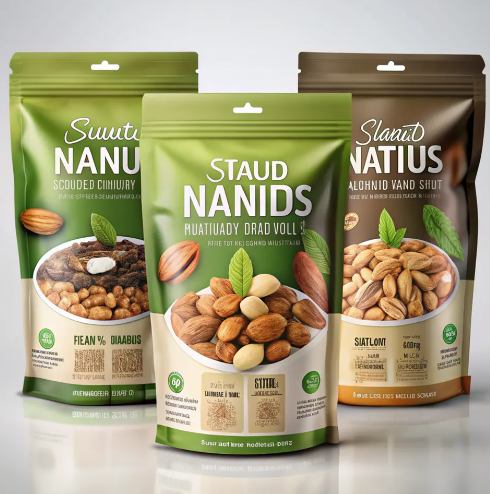
Market Demand Evolution: Health, Convenience and Transparency
Structural changes in the end consumer market are the fundamental driving force behind packaging innovation.
Healthier snack trends: Consumers are shifting their preferences towards "healthier alternatives," seeking low-sugar, low-salt, and high-protein options, and paying attention to ingredient sources. This requires packaging that can effectively communicate clean labels and nutritional information.
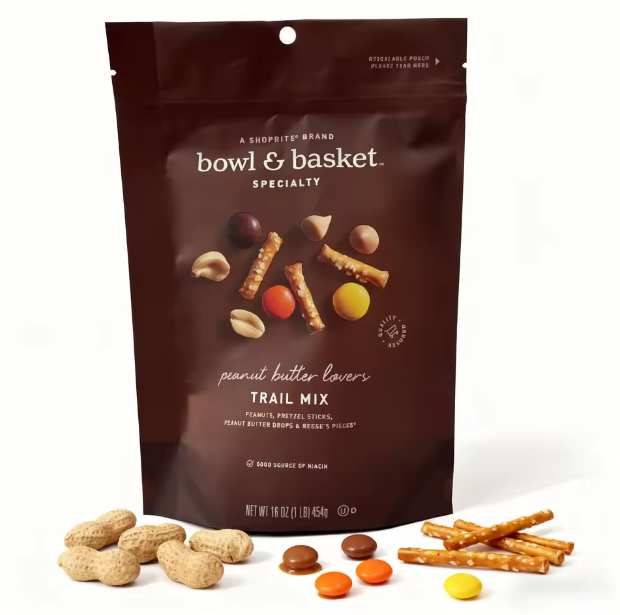
Scenario-driven packaging forms: Market segmentation has led to various forms of packaging that meet different needs, such as ready-to-eat and portable types (small bags, pouches), family-use types (large bags, cans), and e-commerce shipping types (damage-resistant and moisture-proof).
Supply Chain Transparency Requirements: Consumers want to understand the sustainable production process and fair trade information of products from origin to shelf. Packaging is a crucial touchpoint for conveying this information and building brand trust.
Supply Chain and Regional Market Dynamics
Global Market Growth: The packaged nuts and seeds market is expected to continue growing between 2026 and 2034. The global snack packaging market shows regional differences: Europe emphasizes environmental compliance, North America focuses on functional innovation, and the Asia-Pacific region (especially China) is the fastest-growing market, prioritizing design and cost-effectiveness.
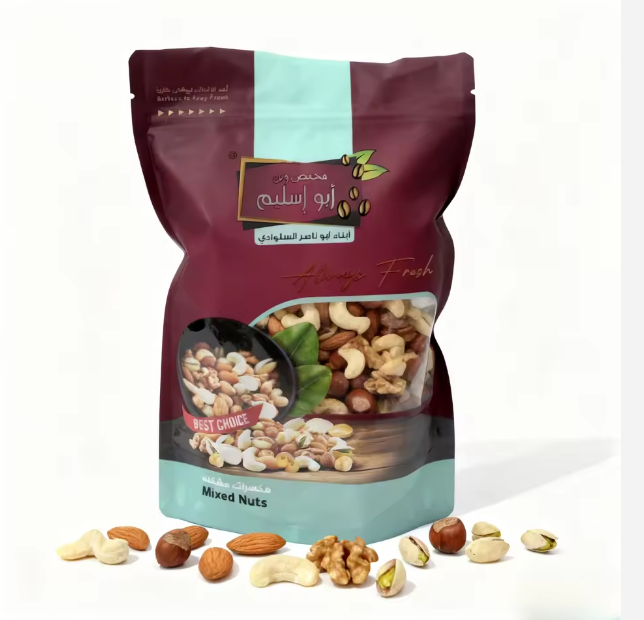
China Industry Focus: As a core production area and consumer market, China experiences frequent industrial activity.
The 2026 Xinjiang Nut and Dried Fruit Processing Machinery and Packaging Exhibition (August) will focus on the entire industry chain, with a dedicated forum discussing packaging technology and market trends.
The 2026 Qingdao Nut and Dried Fruit Processing and Packaging Exhibition (May) will also showcase complete solutions from processing to packaging.
These exhibitions reflect the industry's clear path of upgrading from raw material advantages to sophisticated processing, brand packaging, and omnichannel marketing.
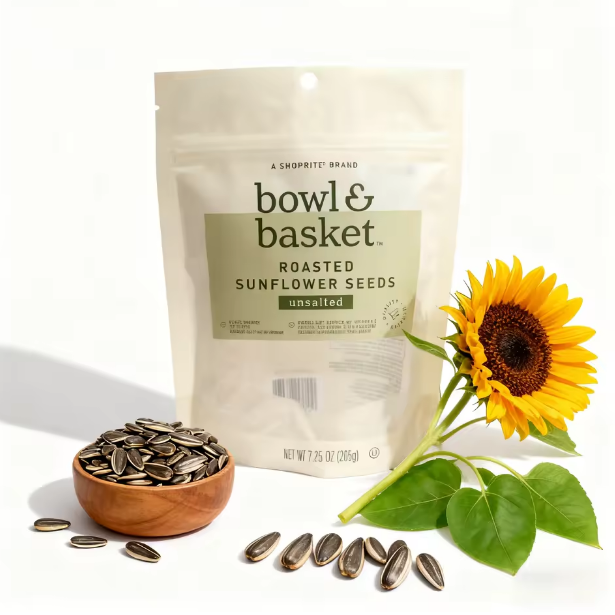
Overall, the global nut packaging industry is shifting from cost-driven containers to complex products that integrate regulatory compliance, consumer experience, brand value, and environmental responsibility.


