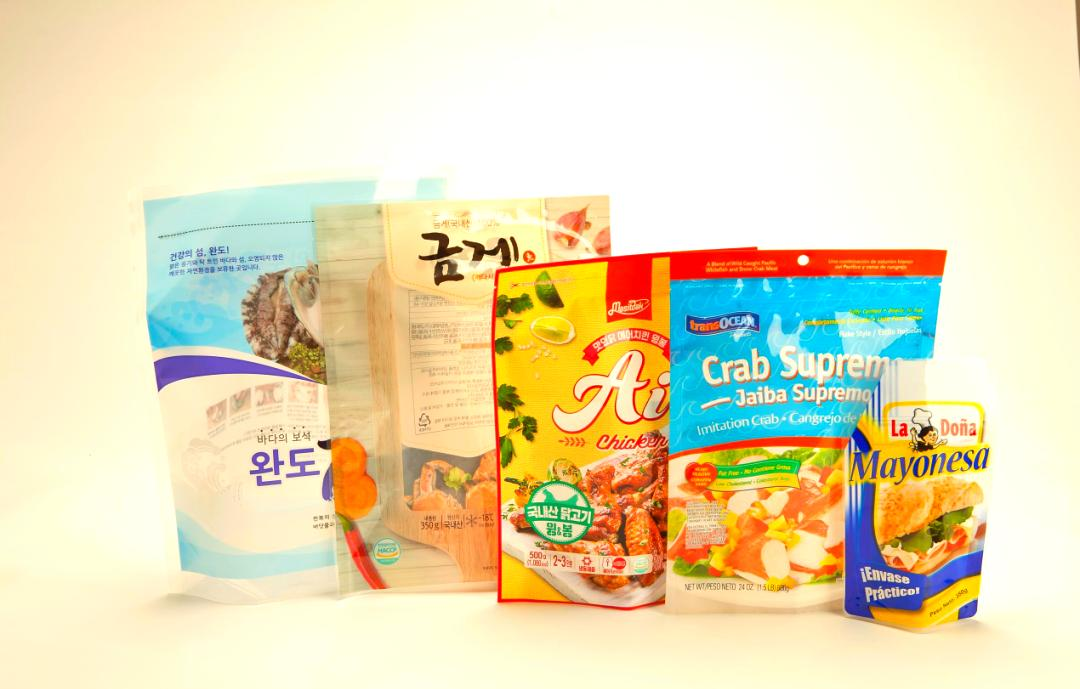


When entering a supermarket, we often see several foods wrapped in soft packaging. Although not widely known, this type of packaging is ubiquitous. It has multiple functions, one of which is resistance to high temperatures, a characteristic that gives it its name. " . high temperature retort bag. " The definition of a high temperature retort bag is the process of high temperature sterilization performed on food within a flexible packaging bag, typically between 121°C and 135°C. This treatment not only prolongs the shelf life of the food but, more importantly, preserves its original flavor, allowing consumers to enjoy the contents of the bag at any time within its shelf life.
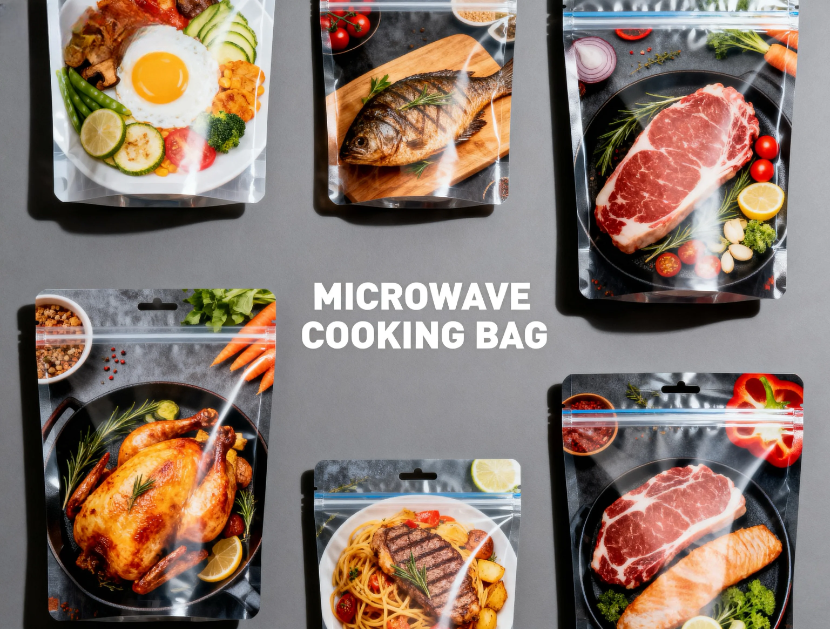
◇ Development History Since ancient times, people have been exploring ways to extend the shelf life of meat products. With the advancement of technology, high temperature, high pressure and low temperature sterilization, normal pressure sterilization have become the two main methods for meat preservation. High temperature and pressure sterilization is favored by its comprehensive sterilization effect and long shelf life, effectively eliminating all microorganisms, including bacteria that cause food decomposition. When high-temperature sterilized foods are packaged with barrier materials, their shelf life is further extended. This also greatly facilitates the transport and use of food, perfectly meeting the needs of modern consumers. These needs spurred the development of retort bags. As the demand for retort bags from the food industry has grown rapidly, the packaging industry has responded by launching related products.
Before the arrival of retort bags, people mainly used tin cans and glass bottles made of tin plate to package food. Both materials have excellent resistance to high temperatures and high barrier properties, allowing food to be preserved for extended periods, even up to two years. However, tin plate performs poorly in terms of chemical corrosion; When acidic foods are packaged in it, the iron ions leak easily, affecting the taste. In addition, tin cans, such as rigid packaging containers, are bulky and inconvenient to carry, thus gradually limiting their use. In the 1960s, to solve the problem of food packaging for astronauts in outer space, the United States invented an aluminum-plastic composite film. Packaging made of this material, after high temperature and pressure sterilization, can be stored at room temperature for a long time, with a shelf life of up to one year. Due to its soft and light texture and canned function, it is called " soft canned food. "
02 Advantages of retort bags
◇ Preserving the Original Flavor of Food
As a new type of food packaging, retort bags have shown significant advantages in extending the shelf life of meat products. Its unique material and structure allow food to retain its original flavor and nutrients during high temperature cooking, effectively extending its shelf life. Moreover, retort bags are portable and environmentally friendly, meeting the high demands of modern consumers for food packaging. With the continuous development of the food industry, the scope of application of retort bags is gradually expanding, becoming a new favorite for meat product packaging.
◇ Convenient consumption method
Consumers can easily enjoy the food by simply placing it in hot water or a microwave oven for a short time.
◇ Energy saving and environmental protection
Food packaged in retort bags, due to its thinness, can be quickly heated to the temperature required for sterilization. Compared to traditional tin cans, this packaging method reduces total energy consumption by up to 30-40%, making it efficient and environmentally friendly.
◇ Sales Appeal
Retort bags offer flexible packaging options for various types of food. Its outer layer supports color printing, and the overall packaging is light. These features combine to create a strong appeal to consumers, driving product sales.
◇ Food Shelf Life
Retort bags undergo high temperature sterilization, which significantly extends the shelf life of food and keeps it fresh without cooling or freezing.
03 Classification and Materials of Retort Pouches
◇ Transparency Classification
Transparency is an important classification criterion for retort pouches. They can be divided into transparent retort pouches and opaque barrier pouches. Transparent retort pouches are further subdivided into transparent barrier pouches and transparent non-barrier pouches. Transparent barrier pouches typically employ a three-layer structure design, such as a composite of PET, BOPA, and CPP, or a three-layer structure of PET, PET, and CPP. These materials perform well at temperatures below 135°C and are commonly used for packaging sauces and meat products. Additionally, there are coating technologies, such as PET or NY coated with polyvinylidene chloride, which has a heat resistance temperature up to 121°C and also provides good gas and moisture barrier properties. Transparent non-barrier bags typically employ a double-layer structure, such as a lamination of PET (BOPA) and CPP. Their temperature resistance is also below 135℃, making them suitable for packaging common foods like dried beans.
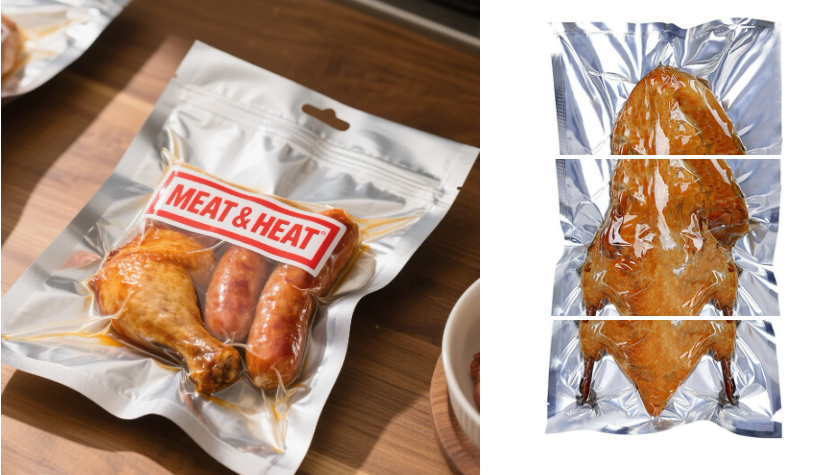
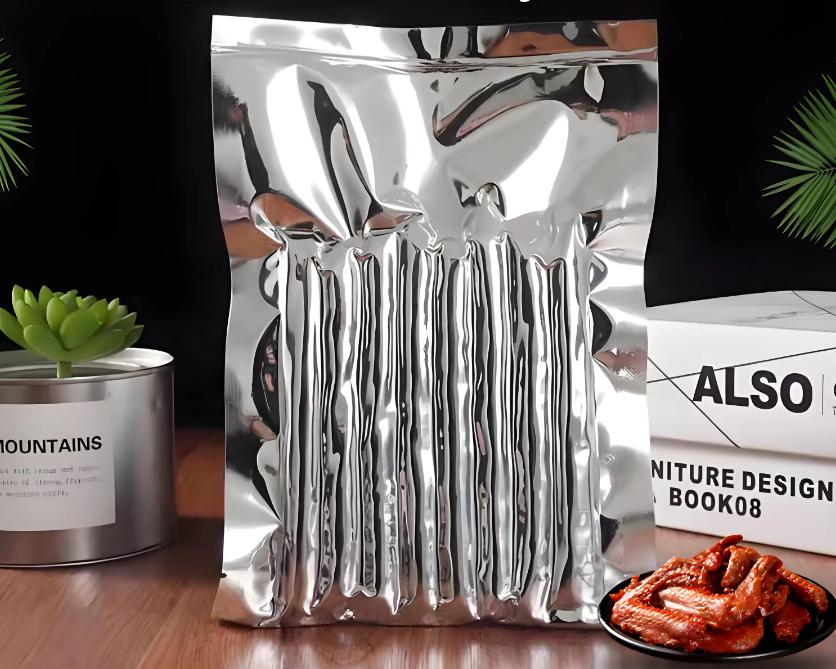
◇ Substrate Characteristics The superior performance of retort pouches stems from the selection of their special substrates. These substrates not only possess high-temperature resistance but also effectively extend the shelf life of food. During high-temperature sterilization, the retort pouch substrate remains stable, ensuring food safety and freshness. Furthermore, their transparency classifications offer different options to meet the needs of various food packaging.
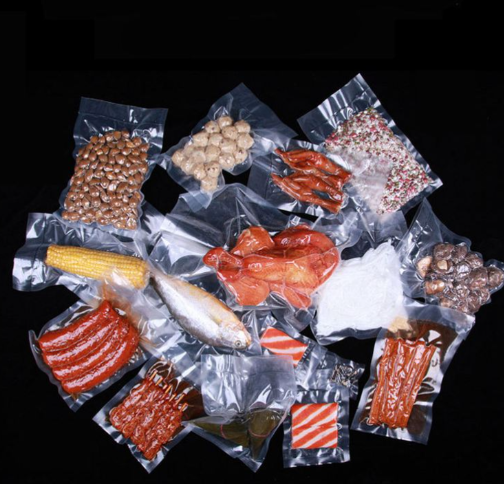
PET (Polyester)
PET material holds a prominent place among retort pouch substrates due to its superior printability, high mechanical strength, and rigidity. It also possesses good moisture and gas barrier properties, as well as excellent heat and cold resistance. However, its puncture resistance is relatively weak, requiring careful consideration during application.
AL (Aluminum Foil)
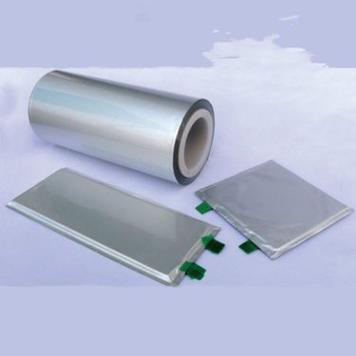
Aluminum foil stands out in the food packaging field due to its excellent gas and moisture barrier properties. Its strong protective properties enable packaging to effectively resist the erosion of bacteria and mold, thus preserving the original flavor of food.
BOPA (Nylon or NY)
BOPA (Nylon or NY) has excellent barrier properties, effectively resisting the penetration of common gases and odors. Its puncture resistance and abrasion resistance are also superior, and it has an extremely wide operating temperature range, from -60℃ to 150℃.
CPP (Polypropylene)
Because CPP is often used as the inner layer material of retort pouches, its performance requirements are extremely stringent, and it must meet the standards for high-temperature retort processing. This material needs to possess good flatness, tensile strength, heat-sealing strength, and impact resistance.
Retort Pouch Adhesives
◇ Solvent-Free Adhesives High-Temperature Retort Pouch Adhesives (PUA) provided by Gaoding Precision Materials can withstand temperatures up to 135℃. This product is available in solvent-free and conventional types to meet different application needs. Solvent-free retort pouch adhesives, as representatives of environmentally friendly adhesives, play a crucial role in the production of retort pouches. Their unique environmental characteristics, such as zero VOC emissions, low cost, high lamination speed, and high automation, make them an ideal choice for retort pouch production.
◇ General-Purpose Adhesives
General-purpose adhesives are renowned for their high transparency, flexibility, and heat resistance. They exhibit strong initial tack, giving aluminum/plastic composite products excellent peel strength. This general-purpose adhesive not only boasts high transparency, flexibility, and heat resistance, but also demonstrates superior performance under high-temperature retort conditions. Its strong initial tack ensures excellent peel performance for aluminum/plastic composite products, meeting the needs of various complex processes.
With the continuous development of food packaging, people have enjoyed the convenience of transitioning from rigid cans to flexible packaging. Retort pouches, with their numerous advantages such as portability and long shelf life, are highly favored by consumers. The high-temperature retort pouch adhesives provided by Gaoding Precision, with their excellent chemical resistance and heat resistance, are ideal for laminating aluminum foil used in packaging printing for boiling sterilization.